Science fiction has had a long history, but there is one story that has defined the genre. Frank Herbert’s 1965 sci-fi epic, Dune, was unlike anything else of its kind and would go on to influence all sci-fi that came after. The dense tome was full of philosophical quandaries, built in a world of immense mythology. While sci-fi boomed with Dune-adjacent stories like Star Wars, the foundational book failed to get the adaptation it deserved.
After David Lynch’s solid but admittedly flawed attempt, Denis Villeneuve reached incredible heights and greeted the greatest franchise in sci-fi history. In 2021, the filmmaker had built enough of a sci-fi foundation to attempt a real Dune adaptation, and surprisingly, he created a near-perfect franchise that has incredible rewatch value on HBO Max. It would be one thing if the first entry into the world of Arrakis and the Kwisatz Haderach was a fluke, but somehow, Villeneuve continues to top himself as Dune rushes to its inevitable but highly anticipated conclusion.
‘Dune’ Gets Better With Each Passing Film
In 2021, Timothée Chalamet was on the rise. His roles in Call Me By Your Name and Little Women made him an actor worthy of conversation. Even so, it is a huge leap to take on one of the most famous protagonists of sci-fi, Paul “Muad-Dib” Atreides. The archetype that influenced all the hero’s journeys in sci-fi down the road, Paul was epic while also highly misunderstood. Chalamet would miraculously be the Paul that sci-fi fans had been waiting for in his portrayal of the vulnerable yet doomed leader of Arrakis.
Collider Exclusive · Sci-Fi Survival Quiz Which Sci-Fi World Would You Survive? The Matrix · Mad Max · Blade Runner · Dune · Star Wars
Five universes. Five completely different ways the future went wrong — or sideways, or up in flames. Only one of them is the world your instincts were built for. Eight questions will figure out which dystopia, galaxy, or desert wasteland you’d actually make it out of alive.
💊The Matrix
🔥Mad Max
🌧️Blade Runner
🏜️Dune
🚀Star Wars
01
You sense something is deeply wrong with the world around you. What do you do? The first instinct is often the truest one.
02
In a world of scarcity, what resource do you guard most fiercely? What we protect reveals what we believe survival actually requires.
03
What kind of threat keeps you up at night? Fear is useful data — if you’re honest about what you’re actually afraid of.
04
How do you deal with authority you don’t trust? Every dystopia has a power structure. Your approach to it determines everything.
05
Which environment could you actually endure long-term? Survival isn’t just tactical — it’s physical, psychological, and very much about where you are.
06
Who do you want in your corner when things fall apart? The company you keep is the clearest signal of who you actually are.
07
Where do you draw the line — if you draw one at all? Every survivor eventually faces a moment that tests what they’re actually made of.
08
What would actually make survival worth it? Staying alive is one thing. Having a reason to is another.
Your Fate Has Been Calculated You’d Survive In…
Your answers point to the world your instincts were built for. This is the universe your temperament, your survival instincts, and your particular brand of stubbornness were made for.
The Resistance, Zion
The Matrix
You took the red pill a long time ago — probably before anyone offered it to you. You’re a systems thinker who can’t help but notice the seams in things.
You’re drawn to understanding how the system works before figuring out how to break it.
You’d find the Resistance, or it would find you — your instinct for spotting constructed realities is the machines’ worst nightmare.
You function best when you have access to information and the freedom to act on it.
The Matrix built an airtight prison. You’d be the one probing the walls for the door.
The Wasteland
Mad Max
The wasteland doesn’t reward the clever or the well-connected — it rewards those who are hard to kill and harder to break. That’s you.
You don’t need comfort, community, or a cause larger than the next horizon.
You need a vehicle, a clear threat, and enough fuel to outrun it — and you’re good at all three.
You are unsentimental enough to survive that world, and decent enough — just barely — to be something more than another raider.
In the wasteland, that distinction is everything.
Los Angeles, 2049
Blade Runner
You’d survive here because you know how to exist in moral grey areas without losing yourself completely.
You read people accurately, keep your circle small, and ask the questions others prefer not to answer.
In a city where humanity is a legal designation rather than a feeling, you hold onto something that keeps you functional.
You’re not a hero. But you’re not lost, either.
In Blade Runner’s world, that distinction is everything.
Arrakis
Dune
Arrakis is the most hostile environment in the known universe — and you are precisely the kind of person it rewards.
Patience, discipline, and political awareness are your core strengths — and on Arrakis, they’re survival tools.
You understand that the long game matters more than any single victory.
Others come to Dune and are consumed by it. You’d learn its logic and earn its respect.
In time, you wouldn’t just survive Arrakis — you’d begin to reshape it.
A Galaxy Far, Far Away
Star Wars
The galaxy far, far away is vast, loud, and in a constant state of violent political upheaval — and you wouldn’t have it any other way.
You find meaning in being part of something larger than yourself — a cause, a crew, a rebellion.
You’d gravitate toward the Rebellion, or the fringes, or whatever pocket of the galaxy still believes the Empire’s grip can be broken.
You fight — not because you have to, but because standing aside isn’t something you’re capable of.
In Star Wars, that willingness is what makes all the difference.
Dune: Part One charts Paul’s rise as a Duke’s son on the temperate planet of Caladan to the known ruler of the universe. This is quite a journey that was proven to be impossible to tell in one movie. Denis Villeneuve rose to the challenge and split Frank Herbert’s first book into two parts. This was the right decision, as viewers would come to realize. Not only was the book too dense with lore and action to be told in one full-length feature film, but it also deserved more.
More it indeed received because Villeneuve used the time to tell an authentic story that honored the source material while also expanding on the book. Dune Part Two was even better than its predecessor, almost because of the radical change the director made. Instead of shoving Paul’s concubine, Chani (Zendaya), into the background, he arguably made her the main character. Chani is a conflicted character who wars with her feelings for Paul and her duty to her people. This is a far cry from the complacent character in the book.
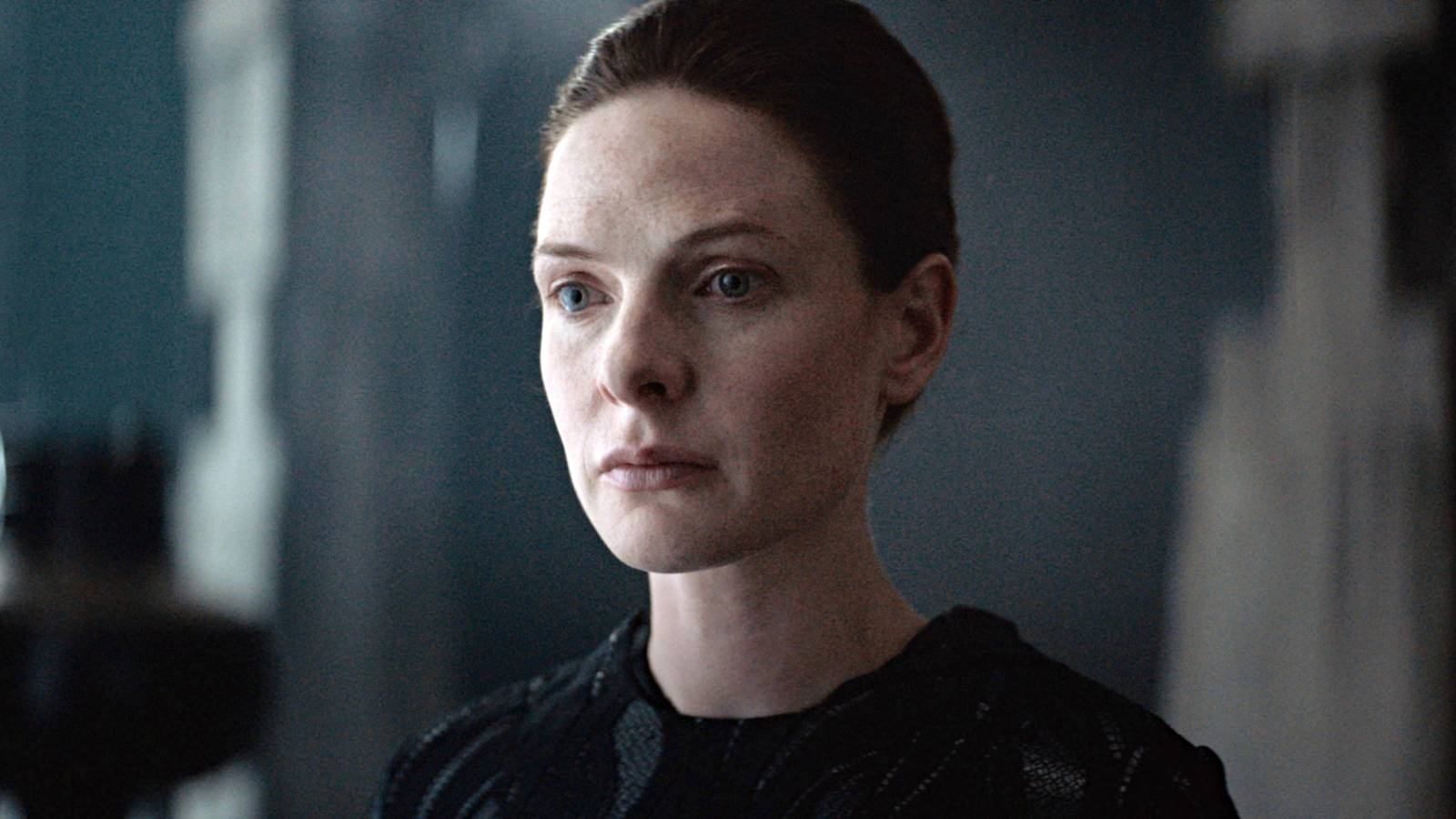
Paul’s mother, Lady Jessica (Rebecca Ferguson), also changes with the times, becoming more of a devil on her son’s shoulder. She fans the flames of fanaticism, pushing him closer to damnation and taking control of the Imperium. All of this comes together in a two-part series that is near-flawless.
‘Dune: Part Three’ Boasts to Be the Best Entry Yet
As much as fans would love for Dune to continue forever – and finally see that God Emperor sandworm – everything must eventually come to an end. Released sooner than expected, Denis Villeneuve has created the wrap-up to the story in Dune: Part Three. A translation of Frank Herbert’s second book, Dune: Messiah, the third movie in the trilogy will show the consequences of Paul gaining full, unchecked power.
Dune: Part Three will show everything that people have missed from the first two movies. Paul is often misunderstood as a hero archetype, but he is quite the opposite. He is someone who traveled down the road that was paved with good intentions. Though he wanted to liberate the Fremen, he ends up taking their world for himself and committing genocide among the stars.
An adaptation of Dune: Messiah was necessary, and it is finally time to get it. With Anya Taylor-Joy cast as Paul’s strange and complicated sister, Alia, this installment may be the best iteration yet. Villeneuve’s changes to the female characters will have massive consequences, but will be intriguing to see. Paul’s story will still be told the way it is meant to, even with these differences from the book.
Demonstrated to be more unhinged than ever, Paul’s portrayal by Timothée Chalamet may prove to be the definitive one. December 2026 will conclude one of the most anticipated sci-fi franchises of all time that continues to have relevance even five years after its introduction.




0 Comments