

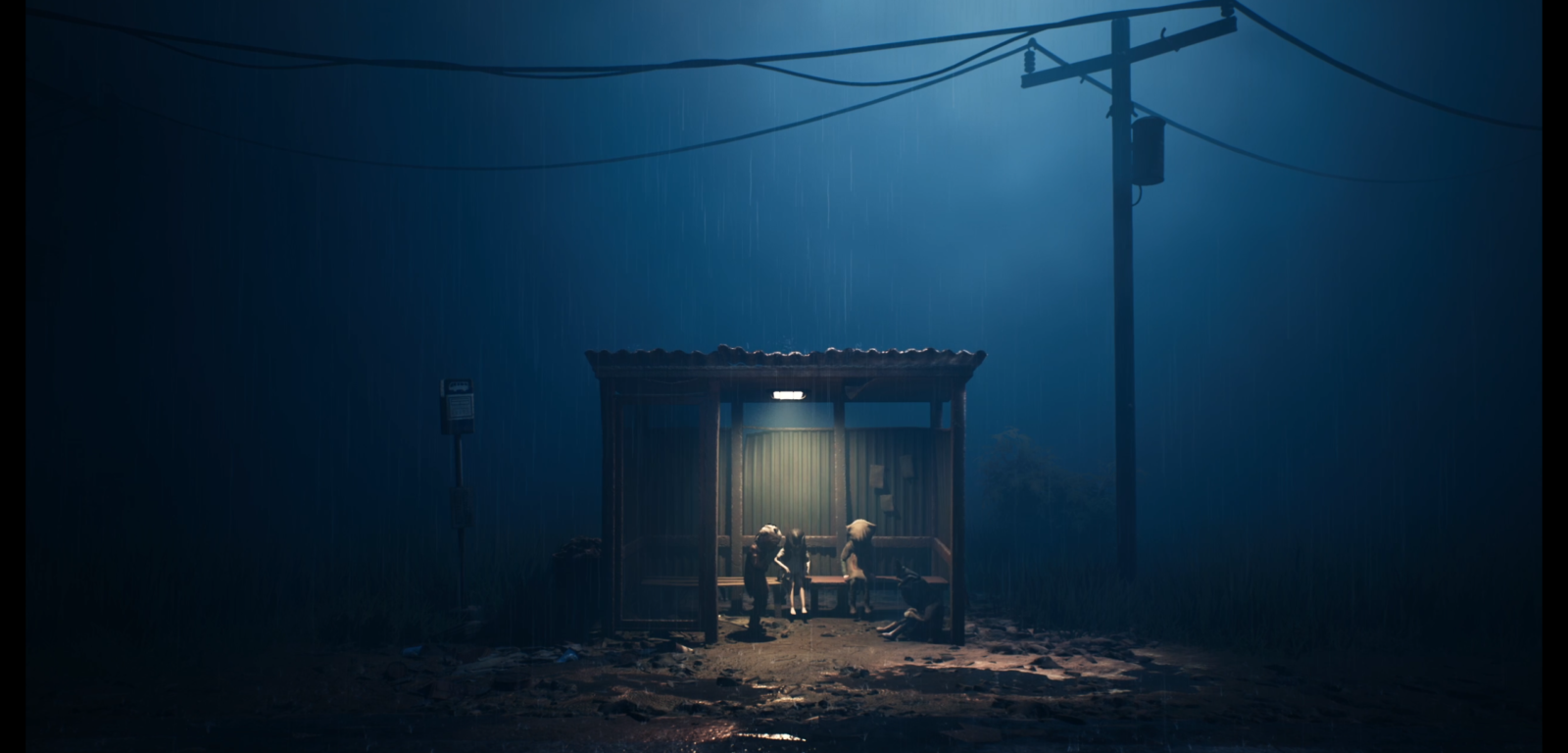

Reanimal stands out as a truly atmospheric horror game, immersing players in a haunting world that lingers long after the game ends. After more than two years in development, Tarsier Studios has finally unveiled the much-anticipated Reanimal. The game is set on a flood-ravaged island where animals have transformed into terrifying monsters. Players choose to be either The Boy or The Girl and embark on a quest to rescue their friends—Hood, Bandage, and Bucket. With its intriguing premise and Tarsier’s proven talent (the studio behind Little Nightmares 1 and 2), expectations for Reanimal were sky-high. While it shares some DNA with Little Nightmares, Reanimal takes the experience further, offering fresh mechanics and a gripping story that elevates the horror to new heights.
Story
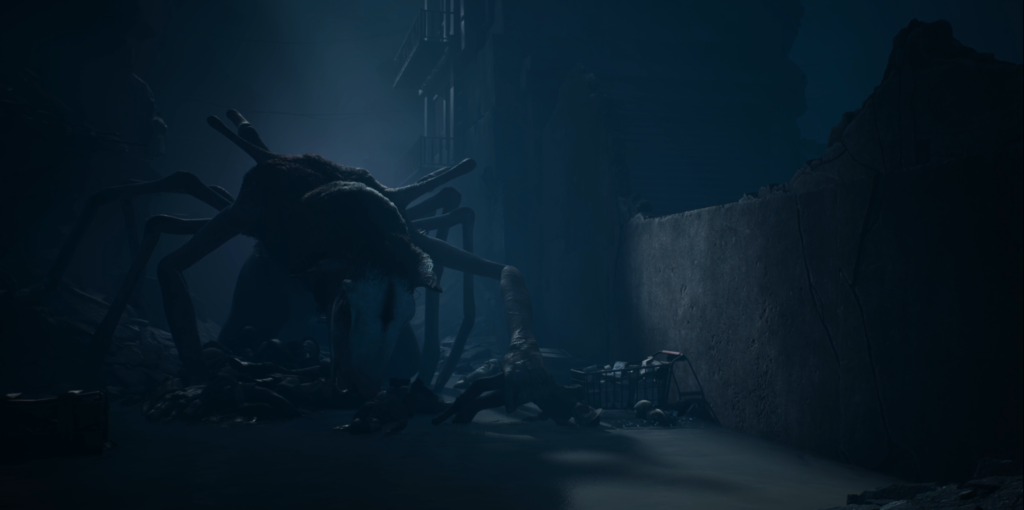
Tarsier Studios is known for stories that spark fan theories and speculation for years. In Reanimal, they masterfully employ a “show, don’t tell” approach, encouraging players to piece together the narrative from environmental clues and subtle hints. This balance of mystery and discovery makes the world especially compelling, as players unravel the origins of the flood and the reasons behind the reanimation. Dialogue, though used sparingly, enhances character depth without undermining the game’s mysterious atmosphere. Each character feels distinct, and the rare moments of conversation add meaningful context. The story’s pacing is another standout, with The Girl experiencing unsettling visions of a lamb mutating and climbing from a well, building tension and foreshadowing a shocking, memorable twist in the final act. While the narrative is strong, the game’s short length (around four to five hours) means some characters don’t get enough time to develop. Their designs and personalities are excellent, but I was left wanting to see more growth and interaction.
9 / 10
Game Play
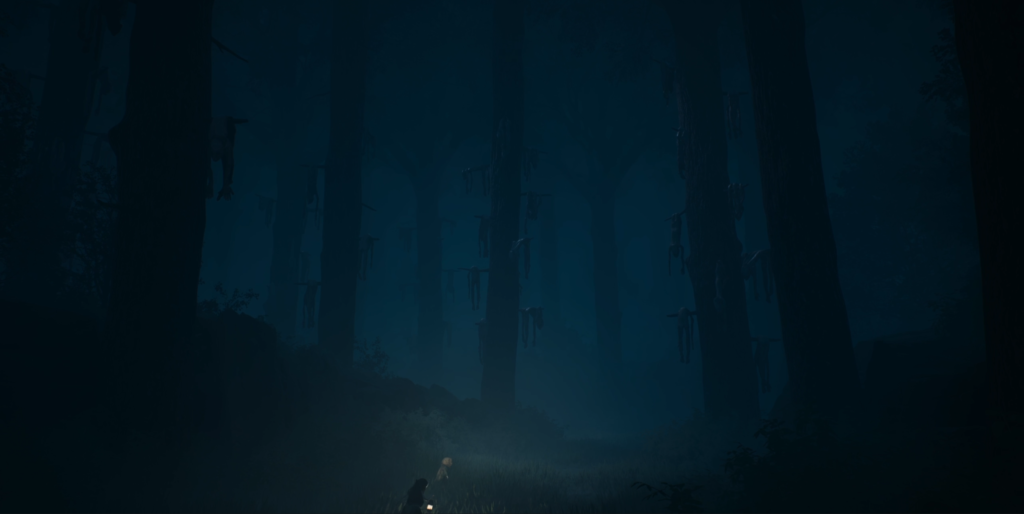
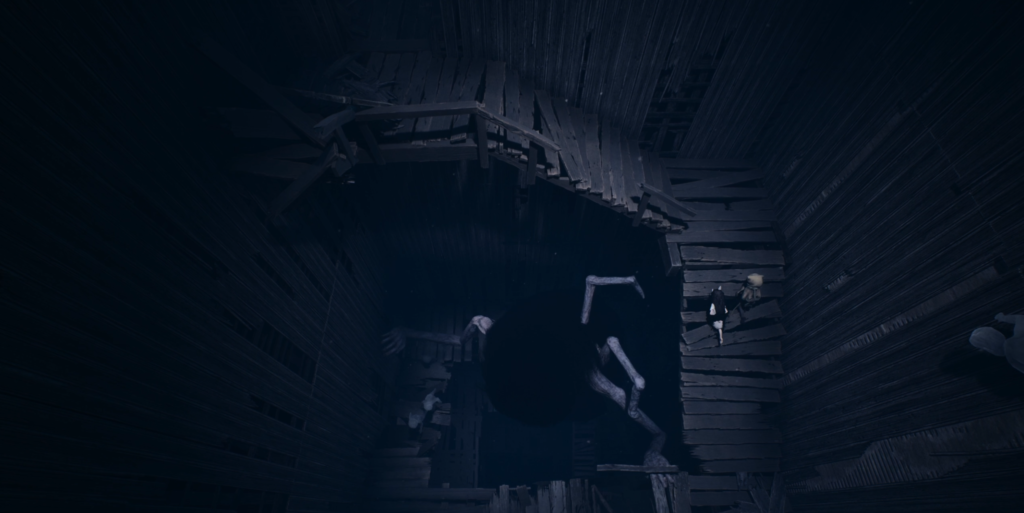
As a spiritual successor to Little Nightmares 1 and 2, Reanimal takes bold steps to innovate with experimental mechanics and fresh ideas. Right from the start, players are introduced to open exploration via boat—a feature absent from Little Nightmares 1 and 2—that breathes life into the game’s world and encourages discovery. Exploring by boat reveals hidden shrines, coffins, concept art, and masks, making exploration rewarding. A standout addition is the dynamic camera, which heightens both tension and cinematic flair. For instance, during a frantic escape up a giant staircase, the camera pans upwards dramatically, amplifying suspense; at other times, tighter camera angles intensify the sense of claustrophobia. The introduction of multiplayer is another highlight, requiring true cooperation and communication as players use specialized tools to survive together. Combat, however, is less consistent. While new weapons like spears and harpoons are welcome, melee combat feels overly simplistic and devolves into button-mashing. Boss encounters are similarly mixed: The Lamb and The Sniffer shine as memorable adversaries, but The Mother, The Horse, and The Pelican are less impactful due to their brief appearances. Despite their short sequences, these bosses still deliver top-notch chase scenes and showcase Tarsier’s flair for creative monster design.
8/10
GRAPHIC AND ART DIRECTION
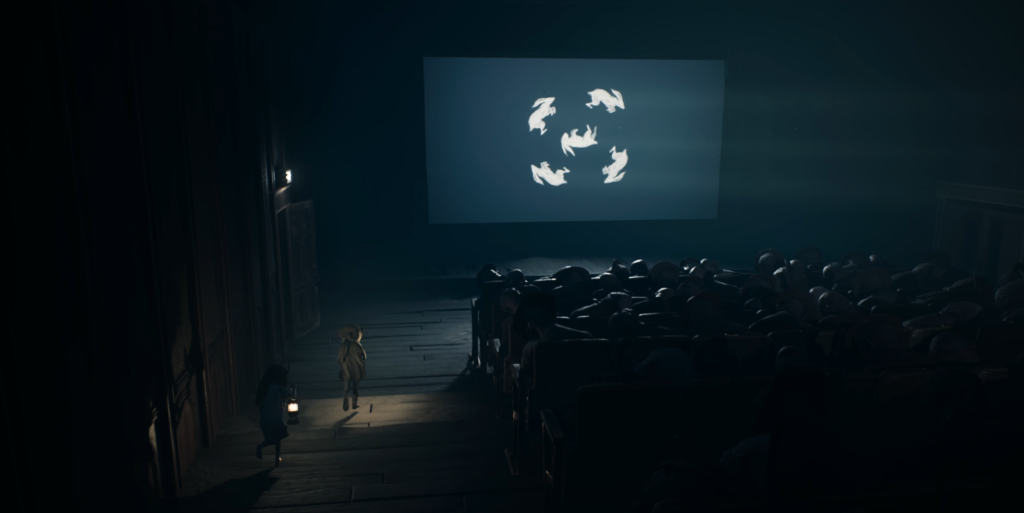
Reanimal’s art direction is exceptional. Tarsier Studios’ use of Unreal Engine 5 creates a visually stunning, haunting world. Freed from the constraints of a teen rating, the developers embrace a more grotesque and grim aesthetic that heightens the horror. The atmosphere is among the best in the genre, further enhanced by outstanding sound design that immerses players at every turn. This is especially evident in the game’s climactic city war sequence: car alarms blare, gunfire echoes, ears ring from explosions, and the grotesque lamb stalks you through the trenches. The result is an experience that is not only terrifying but also deeply atmospheric and memorable.
10/10
TECHNICAL ASPECTS
Despite its strengths, Reanimal isn’t without technical issues. In my 10 hours of play, I encountered two crashes and some lag during the second act. Minor glitches also appeared, but none were close to game-breaking. On the positive side, the AI stands out for its remarkable efficiency and responsiveness, especially during cooperative segments that require teamwork and the use of tools to progress. This smart design choice significantly enhances the gameplay experience.
6/10
CONCLUSION
Tarsier Studios has delivered an outstanding horror experience with Reanimal. Despite a few rushed boss encounters, technical hiccups, and a shorter-than-expected runtime, the game’s creativity and atmosphere are unmatched. For anyone seeking a memorable horror adventure, Reanimal is an easy recommendation thanks to its inventive mechanics, engaging multiplayer, and masterful world-building.
8/10
Amazing review!
Enjoy the review. Very detailed
Great review. Very detailed